- Uneven sharpening: cutters on one side are sharper, longer or at a different angle. Fix: sharpen both sides evenly.
- Damaged cutters on one side from hitting dirt, a rock or a nail. Fix: file them back evenly or replace the chain.
- Worn or uneven bar rails. Fix: dress the rails flat or replace the bar.
- Wrong chain tension or a worn chain. Fix: adjust tension; replace a stretched chain.
- Technique: twisting the saw or forcing the cut.
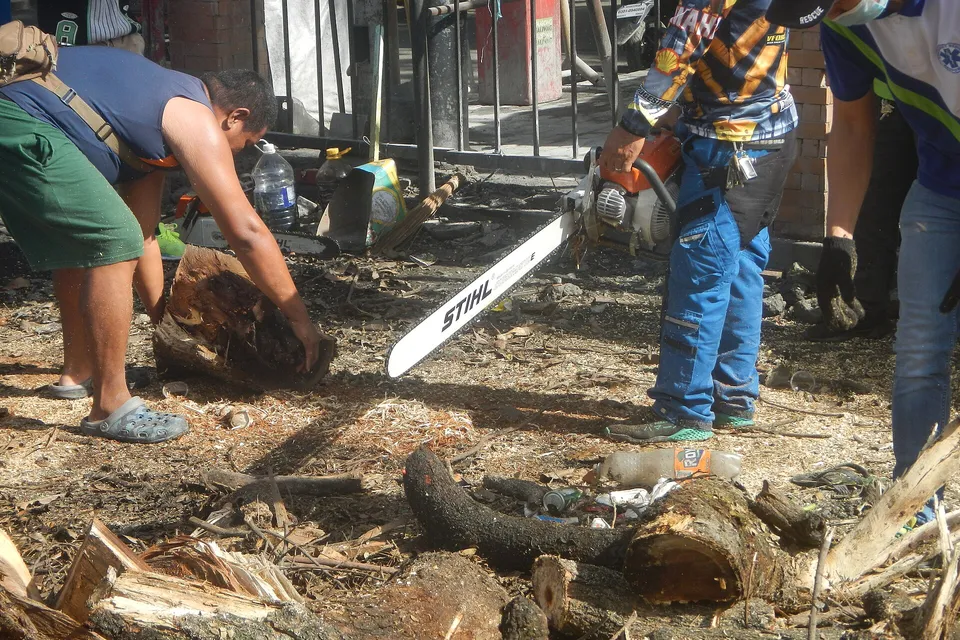
You start a straight cut on a log and halfway through, the bar drifts to one side, leaving a curved, angled cut. It wastes time, binds the bar and can be unsafe. The good news is that a crooked-cutting chainsaw almost always has a fixable cause, and the most common one is simple: the chain is sharper on one side than the other.
This guide explains why chainsaws cut crooked, how to diagnose the cause, how to fix the chain and the bar, and how to prevent it from happening again.
Why does uneven sharpening make a saw pull?
A chainsaw chain has cutters that alternate between the left and right sides. Each cutter takes a bite of wood on its side of the kerf. If the cutters on one side are sharper, longer or filed at a more aggressive angle, they bite deeper, and the bar is pulled toward that side. Even small differences add up over a long cut. This is why a chain that was sharpened carelessly, or only on one side, often starts cutting crooked right after sharpening.
How do you find the cause?
- Look at the cutters: compare left and right. Are some shorter, chipped, rounded or filed at a different angle?
- Check which way it pulls: the saw usually pulls toward the sharper side.
- Inspect the bar: place a straight edge across the rails; if the chain tilts, the rails are uneven.
- Check tension: a loose chain wobbles in the cut.
- Try a new chain: if a new chain cuts straight, the old chain was the problem; if it still pulls, check the bar.
How do you fix uneven sharpening?
- Use the correct file size and angle for your chain, usually 30 degrees.
- Give every cutter the same number of strokes.
- File the shortest cutter first, then bring all the others to the same length.
- Sharpen all the cutters on one side, then turn around and do the other side.
- Check depth gauges every few sharpenings.
See chainsaw sharpening angle and how to sharpen a chainsaw with a file.
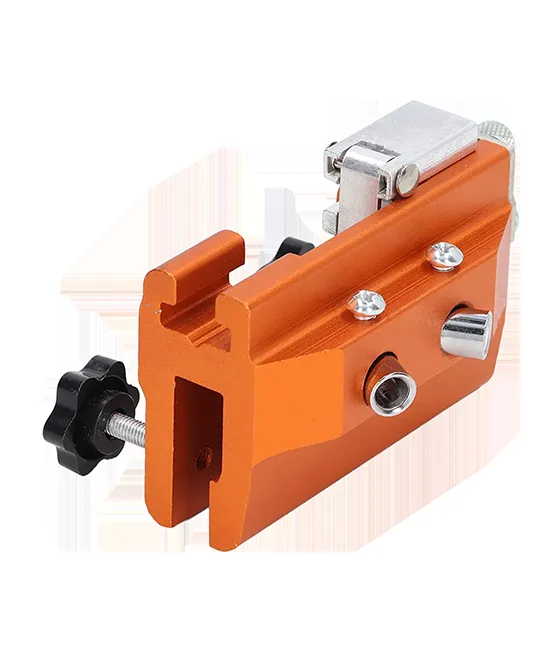
Even sharpening, every tooth
SawShark hand-crank sharpener: clamps to your bar, guides every tooth at the same angle, no power needed. $29.95, or from $17.97 each in bundles.
Check today's price →$29.95, or from $17.97 each in bundles
Why does a guided sharpener help?
Freehand filing often leaves one side slightly different, especially if you're right-handed and file the left side more comfortably than the right. A guided sharpener holds the angle for you. SawShark clamps to the bar and guides each tooth at the same angle, with a hand crank and no power needed. That consistency is exactly what prevents a saw from pulling. Read our SawShark review.
What if cutters on one side are damaged?
Hitting dirt, a rock, a nail or a fence wire can blunt or chip cutters, often on one side. File the damaged cutters back until the chrome edge is clean and sharp, then file all the other cutters to match their length. If the damage is severe, a professional grind or a new chain is faster.
How do bar problems cause crooked cuts?
The bar has two rails that guide the chain. Over time, uneven wear (often from cutting with a dull chain or a chain that pulls) makes one rail lower or creates a burr. The chain then leans in the groove and cuts at an angle. To check, lay a straight edge across the rails with a cutter in the groove; if it tilts, the rails are uneven. A bar dressing file can flatten minor wear and remove burrs. Flip the bar regularly so both sides wear evenly, and replace it if the rails are badly worn or the groove is spread.
Can chain tension cause it?
Yes. A loose chain flexes and wanders in the cut, and can jump off the bar. A chain that's too tight wears the bar and chain faster. Adjust so the chain sits snug against the bar but can still be pulled around by hand (with gloves and the saw off). Check tension often, especially with a new chain, which stretches during its first uses. See chainsaw chain tension.
Can technique make a cut crooked?
- Twisting or tilting the saw during the cut.
- Forcing a dull chain through the wood.
- Letting the log pinch the bar.
- Cutting at an awkward angle or off balance.
Let the saw do the work, keep a steady stance and support logs so the cut doesn't close on the bar. See how to cut firewood.
Is a crooked-cutting saw dangerous?
It can be. A saw that pulls is harder to control and more likely to bind, and a dull or poorly sharpened chain with low depth gauges can increase kickback risk. CCOHS explains how chain condition relates to kickback, and the OSHA chain saw safety fact sheet lists safe handling practices. Fix the problem before continuing a big job.
How do you prevent crooked cuts?
- Sharpen often and evenly, at the right angle.
- Keep the chain out of dirt and away from nails.
- Check tension before each use.
- Flip the bar at each chain change.
- Clean the bar groove and oil holes.
- Replace worn chains and bars on time.
See chainsaw maintenance and signs a chainsaw chain is dull.
What if a new chain still cuts crooked?
If a new chain still pulls, the bar is the likely cause: uneven rails, a spread groove or a bent bar. Dress the rails or replace the bar. Also make sure the chain is the correct type and size for your bar.
How much does SawShark cost?
SawShark is $29.95 for one, $26.95 each for two, $23.36 each for three and $17.97 each for four. Returns are accepted within 30 days for products in original condition.
Why does my chainsaw pull to the left (or right)?
A saw usually pulls toward the side with the sharper or more aggressive cutters. If it pulls left, the left-side cutters are probably sharper, longer or filed at a sharper angle, or the right-side cutters are damaged or dull. Look closely at the right-side cutters for rounded corners or chips, and file both sides to match. The same logic applies in reverse if it pulls right.
Why did it start cutting crooked right after sharpening?
That almost always means the two sides were sharpened differently. Many people naturally file one side with more pressure or more strokes, or hold the file at a slightly different angle when they turn around. Count strokes, use a file guide or a guided sharpener, and compare cutter lengths when you're done.
How do you dress a chainsaw bar?
- Remove the chain and clean the bar groove.
- Clamp the bar in a vise.
- Run a flat file or bar dressing tool along the top of the rails until they're even and square.
- Remove any burrs on the sides of the rails.
- Clean out filings and check the groove depth.
- Flip the bar when you reinstall it, so it wears evenly.
What's a quick check before every job?
- Chain sharp and evenly filed on both sides.
- Tension snug but movable by hand.
- Bar rails clean and even.
- Chain oil reservoir full.
- Chain brake working.
A two-minute check prevents most crooked cuts. See how often to sharpen a chainsaw chain.
When should you take it to a pro?
If the cutters are very uneven, badly damaged or worn close to the wear marks, a shop can grind the whole chain back to a consistent shape on a machine. Bring the bar too, so they can check the rails. After a professional grind, keep the chain even with regular hand touch-ups.
What does a crooked kerf look like?
The cut (kerf) curves to one side, the bar starts to bind as it goes deeper, and the end of the log comes out angled rather than square. You may also notice the saw gets harder to push as the cut goes on. Catching it early saves the bar from extra wear.
Can poor bar oiling cause crooked cuts?
Indirectly, yes. A bar that doesn't get enough oil heats up and wears faster, often unevenly, which leads to uneven rails and a chain that leans in the groove. Keep the oil reservoir full, clean the oil holes on the bar and check that the chain throws a light line of oil when you run the saw near a piece of cardboard. Use bar and chain oil, not motor oil.
Any tips for first-time chainsaw owners?
Start with smaller logs on sawhorses, keep the chain sharp from day one and learn to sharpen both sides evenly. Most beginners' crooked cuts come from dull or unevenly sharpened chains, not from a faulty saw.
The bottom line
Most chainsaws cut crooked because the cutters on one side are sharper or longer than the other. Sharpen both sides evenly at the right angle, file damaged cutters back to match, keep the chain tensioned and check the bar rails for uneven wear.
For even sharpening in the field, our pick is SawShark. Check today's SawShark price.
Sources
- CCOHS. Chainsaws: Kickback.
- OSHA. Chain Saw Safety.
- Official SawShark product page, checked October 2026.
Frequently asked questions
Why does my chainsaw cut crooked?
Most often the cutters on one side are sharper, longer or filed at a different angle.
Why does my chainsaw pull to one side?
It pulls toward the side with the sharper or more aggressive cutters.
Can a worn bar make a chainsaw cut crooked?
Yes, uneven rails make the chain lean in the groove.
How do I fix a chainsaw that cuts crooked?
Sharpen both sides evenly, file damaged cutters to match and dress or replace the bar.
Why does my saw cut crooked after sharpening?
The two sides were probably sharpened at different angles or lengths.
Is a crooked-cutting chainsaw dangerous?
It's harder to control and more likely to bind, so fix it before continuing.

Tim Humbert
Tim looks into the viral gadgets that show up in your feed, from mini leaf blowers to chain sharpeners and car care cloths. He reads the product pages, checkout and return policies, and buyer feedback so you know what a gadget really does before you spend money on it. His reviews are built on manufacturer information, official checkout and return policies, trusted safety sources and buyer feedback, and are updated when offers change. More about Tim.